The value of global digital-economy investment projects jumped 47% in 2025, as demand for data centers and artificial-intelligence infrastructure pulled capital toward a narrow group of technology-heavy assets.
At the same time, agrifood investment projects in developing economies increased 69%, according to the World Investment Report 2026 from UN Trade and Development.
The figures reveal two of the strongest sector gains in an otherwise uneven investment year. Renewable-energy, water, health and education projects all weakened in developing economies, while digital infrastructure attracted increasingly large commitments.
The categories are not directly equivalent. The 47% figure covers global project values in the digital economy, while the agrifood and other development-sector figures cover projects in developing economies tied to the United Nations Sustainable Development Goals.
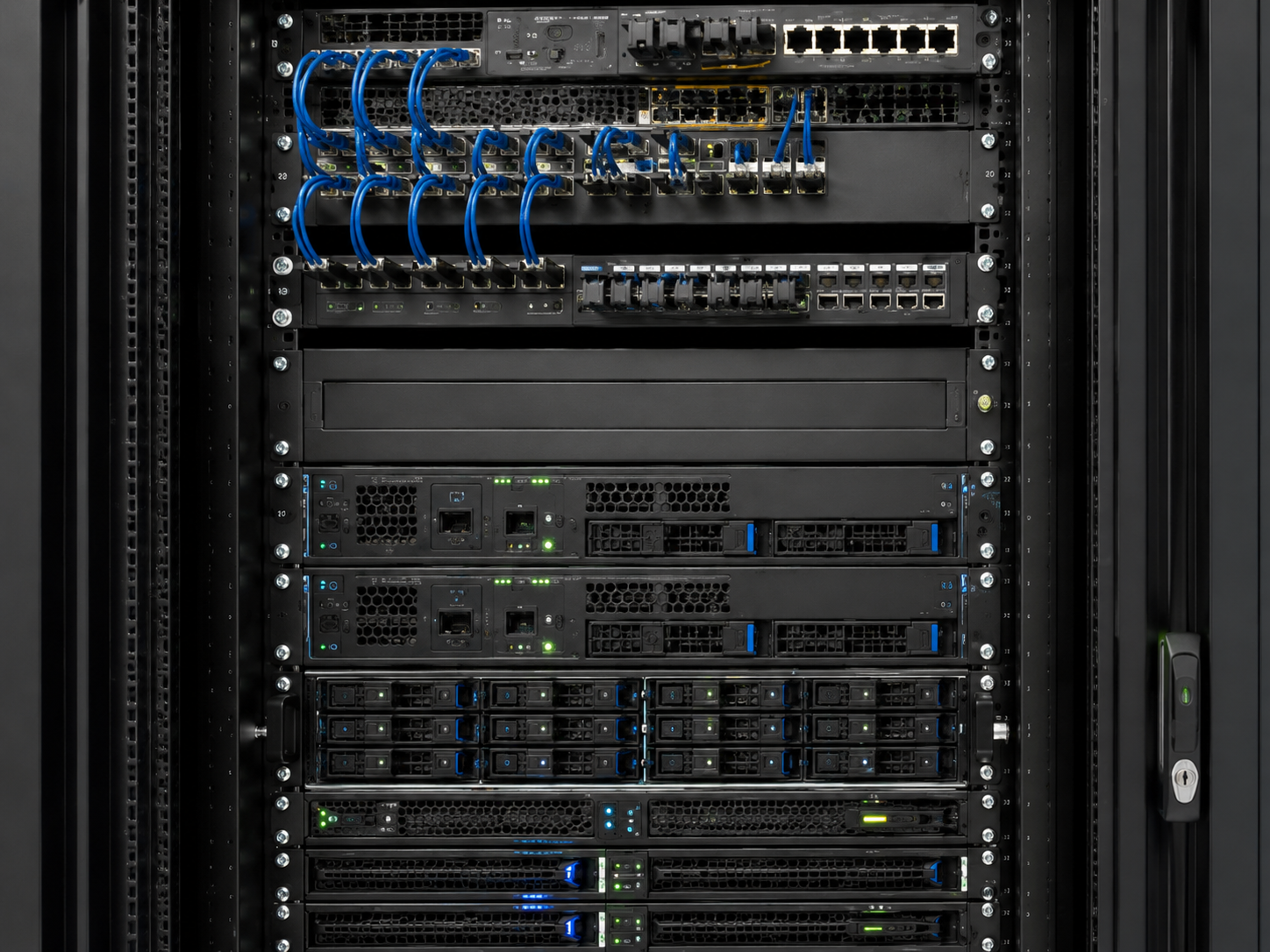
Data-center projects drove the digital increase
Investment growth was strongest in digital infrastructure, particularly data centers.
Announced project values for data centers rose by more than 80%, driven by growing demand for cloud computing and AI capacity. Large projects included planned facilities in India, the United Arab Emirates and Brazil.
One of the biggest announcements was a planned $14.5 billion digital infrastructure and data-center project by Alphabet in India. Microsoft also announced an estimated $5.5 billion data-center project in the United Arab Emirates.
These are announced capital expenditures rather than completed investments. Large projects may take several years to build and can be delayed, reduced or canceled.
The boom also remained geographically concentrated. Developing economies have more than tripled their greenfield investment in the digital economy since 2000, but their share of the global total has stayed at just over one-third.
Developing Asia received most of that investment, while Africa and the least developed countries attracted only small shares.
The report said countries seeking major data-center projects generally need large electricity supplies, strong connectivity, suitable regulation and enough market demand to support hyperscale facilities.
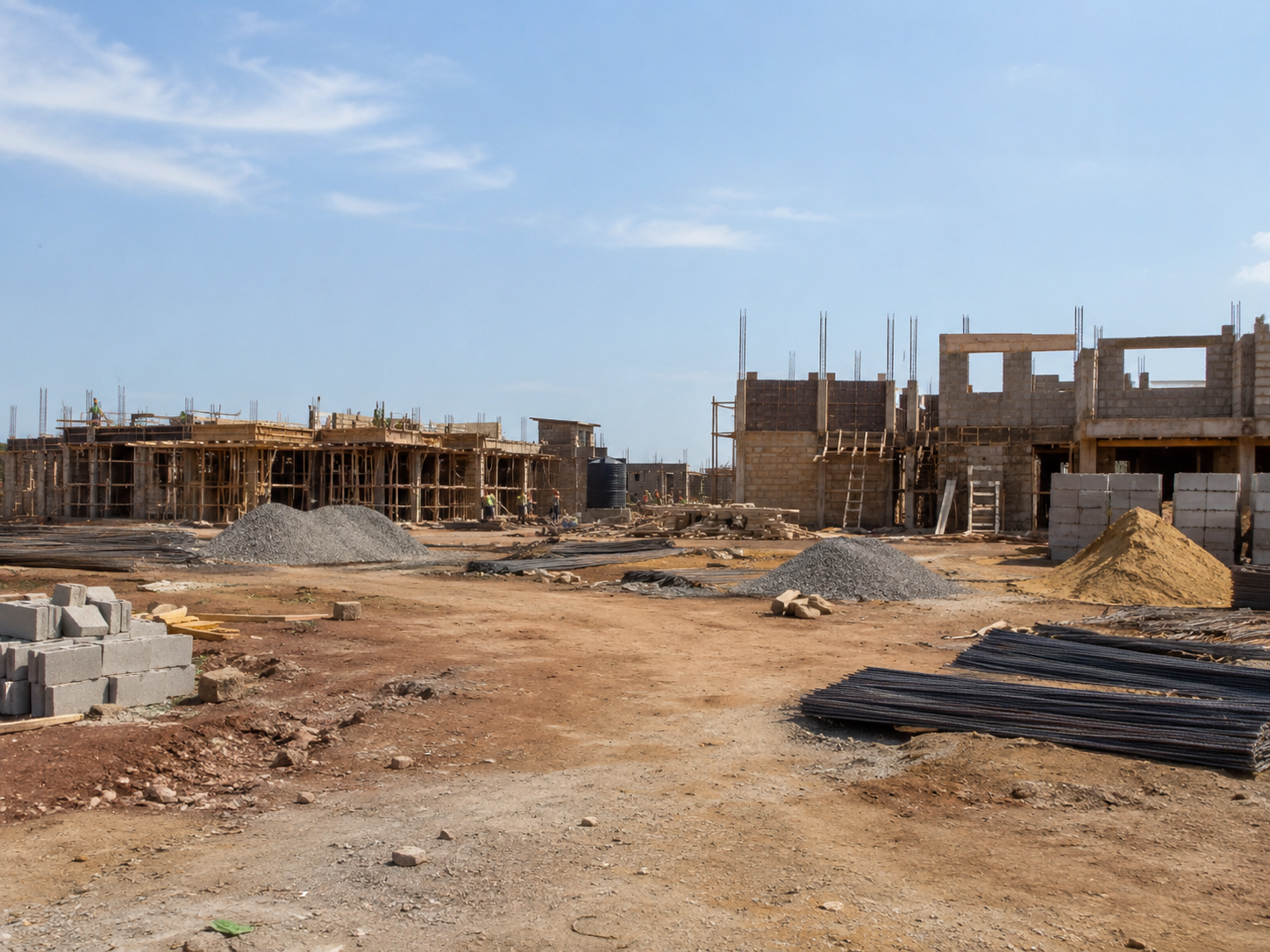
Agrifood investment reached $27 billion
Food and agriculture offered a different growth story.
Announced greenfield investment in agrifood systems reached $27 billion in developing economies in 2025. Least developed countries accounted for another $4 billion.
UNCTAD linked the increase to interest in food security, agricultural processing, fertilizer production, logistics and farming designed to withstand climate risks.
A large fertilizer complex announced in Ethiopia was among the projects supporting the increase. The report said such investment can strengthen agricultural inputs and domestic food production.
However, the growth was concentrated in a relatively limited group of countries with stronger agribusiness sectors, export opportunities or available land.
Many vulnerable economies still face financing shortages, weak infrastructure and high exposure to climate risks. Higher borrowing costs may also delay projects that depend heavily on imported machinery or overseas financing.
Renewable-energy investment declined again
The rise in agrifood and digital projects contrasted with another weak year for international renewable-energy investment.
Across the global infrastructure data, greenfield renewable-energy investment fell by almost 25% in 2025. The decline marked the sector’s fourth consecutive annual drop, although renewables remained the largest infrastructure segment at more than $600 billion.
In the narrower measure covering Sustainable Development Goal projects in developing economies, renewable-energy project values fell 5%.
Water, sanitation and hygiene investment also declined 5% under that measure, while health and education fell 7%.
The report said high capital costs continued to weigh on renewable-energy and other long-term infrastructure projects. By comparison, data centers and telecommunications offered investors strong demand and more predictable revenue.
That difference may be steering institutional investors, infrastructure funds and private lenders toward commercially attractive digital assets.
Investment in core communications networks has not always kept pace with spending on data-processing capacity. In some developing regions, investment in basic digital connectivity stagnated or declined even as data-center commitments increased.
Building computing capacity without improving access to networks could therefore deepen the digital divide rather than close it.
Overall investment rose, but projects became larger and fewer
The sectoral shifts took place as global foreign direct investment rose 6% to $1.6 trillion in 2025, ending two consecutive years of decline.
The broader recovery was less widespread than the headline total suggests. Excluding flows routed through major European financial centers, global FDI increased by 4%.
Announced greenfield project values rose only 1% to $1.39 trillion, while the number of projects fell 10%.
That combination points to a market increasingly shaped by fewer, larger investments. Megaprojects in data centers, semiconductors and other capital-intensive industries can raise total values even when activity across most sectors remains subdued.
Why it matters
The divide between fast-growing digital projects and weaker basic infrastructure investment could shape which countries benefit from the next phase of global growth.
Data centers may support cloud services, AI development and new technology industries. But their wider economic effect depends on electricity systems, local skills, connectivity and links to domestic businesses.
Agrifood investment may strengthen food processing, logistics and agricultural production. Yet its benefits will remain uneven if projects continue to concentrate in countries that already have stronger infrastructure and export capacity.
UNCTAD expects the investment outlook to remain exposed to trade-policy uncertainty, geopolitical tensions, conflicts and high financing costs.
The key issue is not simply whether total investment is rising. It is whether the sectors receiving the most capital also expand productive capacity and essential services across a broader group of economies.