
Cities are becoming the frontline in the fight against climate change and biodiversity loss.
A new report by the World Economic Forum highlights how urban areas can create a sustainable future with nature-positive strategies. With over half the world’s population living in cities, the stakes couldn’t be higher.
Nearly $31 trillion of global GDP—44% of the total—comes from cities, yet they are at significant risk due to nature loss. Despite this, only 37% of the largest cities have plans to protect biodiversity.
The report stresses that integrating nature into urban planning isn’t just necessary—it’s an economic and environmental opportunity.
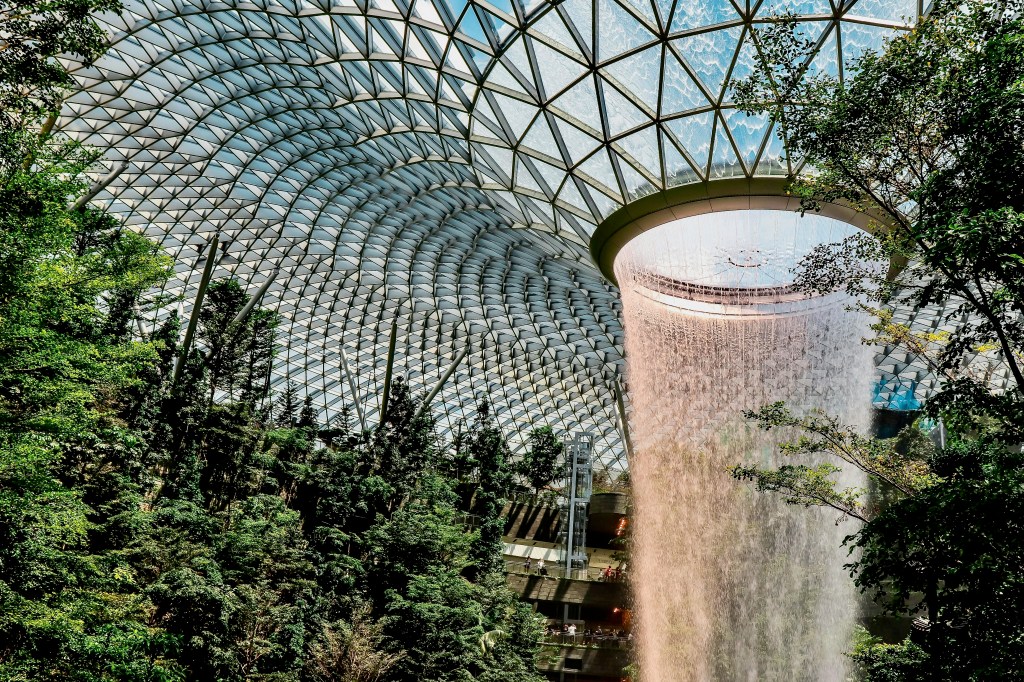
Singapore is already showing the way forward. Its “City in Nature” vision has preserved 7,800 hectares of green space, with plans to add 1,000 more. Park connectors, porous surfaces, and tree-planting programs like OneMillionTrees have reduced urban heat and improved air quality, making the city a model for biodiversity.
San Francisco is also making waves. In 2017, it became the first city to ensure every resident is within a 10-minute walk of a park. The municipality aims for 30% of its green space to be biodiverse by 2030, planting 3,500 new street trees and creating wildlife-friendly corridors.
In Colombia, Barranquilla is transforming neglected areas into thriving green spaces. The city has planted over 60,000 mangroves in the Ciénaga de Mallorquín and reclaimed 2 million square meters of public space. These efforts have boosted ecotourism, revitalized neighbourhoods, and enhanced resilience to climate change.
Other cities are also stepping up. Saudi Arabia’s Green Riyadh Project will plant 7.5 million trees, reducing temperatures by up to 15°C in dense areas.
Bangkok has integrated flood control with food production through projects like the Thammasat Urban Rooftop Farm.
Guangzhou has built 600 kilometres of greenways in China, cutting emissions and boosting mobility.
None of this would be possible without innovative funding. In Durban, South Africa, a €300 million Urban Resilience Fund is helping finance green projects.
In Nouakchott, Mauritania, a public-private partnership is restoring coastal dunes while integrating urban development. These models show how collaboration can make bold ideas achievable.
By 2050, 70% of the world’s population will live in cities. The report clarifies that urban centers must embrace nature-positive strategies to survive and thrive. This isn’t just about parks or trees—it’s about reimagining how cities function to create a future where people and nature coexist.
Cities like Singapore, San Francisco, and Barranquilla are leading the way. The challenge now is scaling these successes and inspiring others to act. The future of our planet may well depend on it.
 StatsJournalist.com