
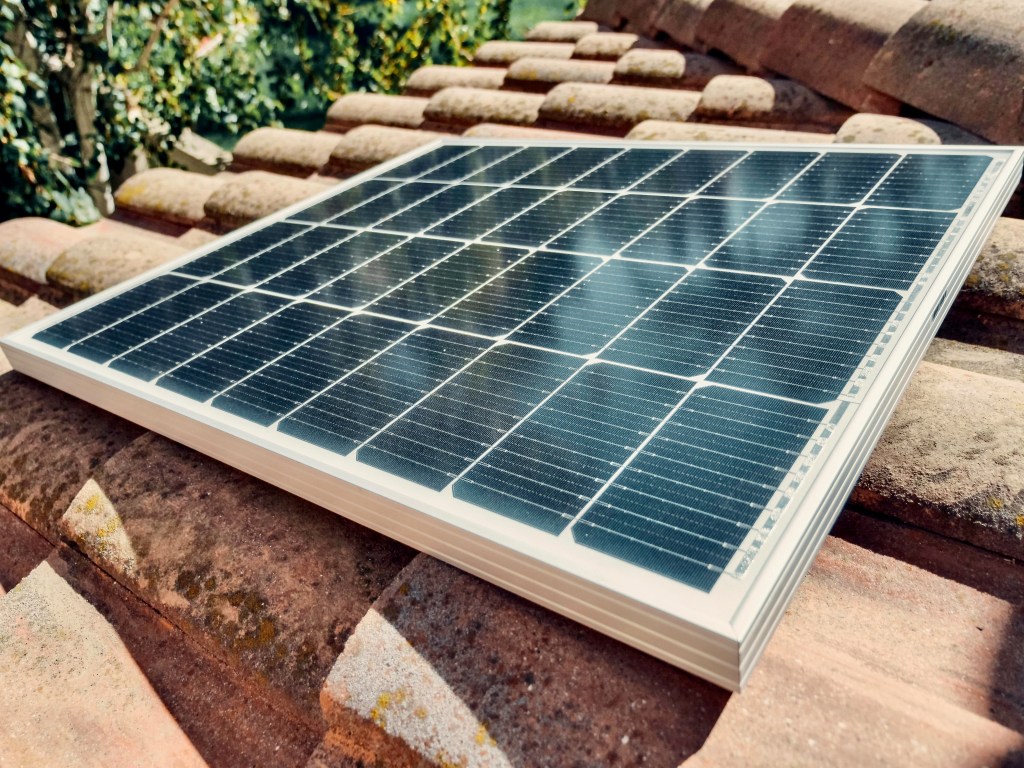
U.S. utilities are making headway in decarbonization, but rising costs and transparency issues are key challenges, according to the 2024 Annual Utility Decarbonization Report released by the National Public Utilities Council (NPUC).
The report includes U.S. investor-owned, public, and gas utilities for the first time, broadening its scope to cover a broader range of energy providers.
The report reveals that over $278 billion has been invested in clean energy projects since 2022, spurred by the Inflation Reduction Act (IRA).
Utilities are increasingly directing capital expenditures toward carbon-free generation, with some companies dedicating over 80% of their planned investments to renewables.
However, smaller companies are struggling to keep pace due to rising costs and inflation pressures, which have raised the price of renewable energy for the first time since 2009.
Virtual Power Plants (VPPs), which aggregate small energy sources like solar panels and batteries, are gaining traction as a flexible solution to meet growing demand.
States like California and Colorado are leading efforts to integrate VPPs into their energy grids. This development could help utilities transition toward a more decentralized and resilient power network.
The report highlights significant gaps in emission reporting, with over 50% of Investor-Owned Utilities (IOUs) disclosing fewer than four Scope 3 emission metrics.
The upcoming SEC climate disclosure rules will pressure utilities to enhance transparency, especially around indirect emissions.
Many utilities remain unprepared for mandatory Scope 3 reporting, which covers emissions from their entire supply chain.
Utilities vary widely in their emissions intensity, with some generating over 80% of their electricity from carbon-free sources.
On average, utilities emit 5.7 metric tons of CO2 per residential customer. However, emissions from major utilities like Duke Energy are rising, driven by continued reliance on fossil fuels.
Public utilities, serving 15% of U.S. electricity customers, are highlighted for their cleaner energy portfolios, with nearly 50% of their electricity coming from carbon-free sources.
Gas providers, responsible for a third of U.S. energy consumption, face growing pressure to adopt carbon capture technologies and renewable gas blends. Their emissions reductions will be crucial to meeting national climate goals.
Workforce development is essential for managing new clean energy technologies like battery storage and modernized grid systems. Utilities are also urged to invest in advanced data management to meet future reporting requirements.
Real-time monitoring and robust data platforms will be vital to ensuring compliance and improving operational efficiency.
 StatsJournalist.com