
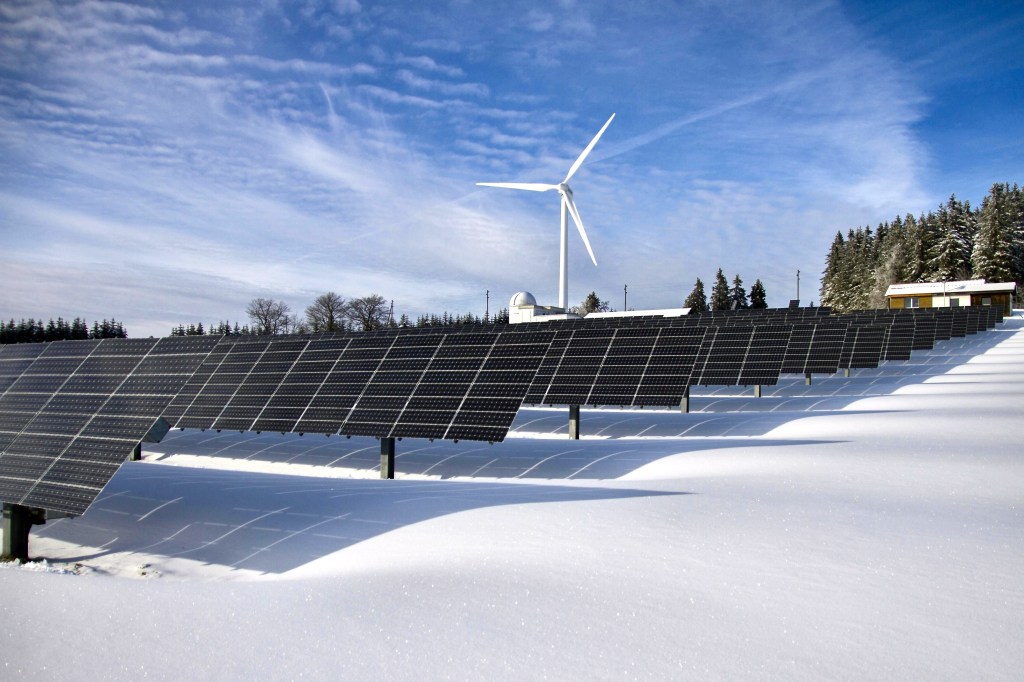
According to the World Economic Forum’s (WEF) Fostering Effective Energy Transition report, the global push toward a sustainable energy future is advancing slower than required to meet key climate goals.
While global Energy Transition Index (ETI) scores reached record highs, the rate of progress has decelerated. The report highlights that 107 of 120 countries made strides in the past decade, but momentum has slowed in the last three years due to economic uncertainty and geopolitical tensions.
“The speed and trajectory of the global energy transition are more important than ever,” the report warns. Renewables like wind and solar have grown, but progress in energy efficiency and electrification areas falls short of meeting net-zero targets by 2050.
Despite improvements in some regions, the global energy transition has lost momentum over the past three years. Economic instability, rising interest rates, and international conflicts like the Russia-Ukraine war are slowing progress.
“Energy security risks have increased, with geopolitical tensions testing the resilience of energy systems worldwide,” said Muqsit Ashraf, Group Chief Executive at Accenture. While some countries have managed short-term risks, sustainability and equity have often been sacrificed.
The report points to a surge in global energy-related emissions, which rose by 1.1% in 2023. This rise is partly due to nations relying more heavily on fossil fuels amid energy shortages and price surges.
The report identifies a growing divide regarding clean energy investment between developed and developing nations. Advanced economies, especially in Northern Europe, are leading the charge, with countries like Sweden and Denmark topping the ETI rankings.
China and Brazil are also praised for their renewable energy expansions. However, the report notes that nearly 90% of clean energy investments are concentrated in advanced economies, with developing nations receiving less than 15%.
This disparity highlights many emerging economies’ challenges in securing the necessary funding to accelerate their energy transitions. The WEF calls for tailored international support to close this gap.
While sustainability metrics improved, energy equity is regressing. Rising global energy prices and fossil fuel subsidies have made accessing affordable energy more difficult, particularly in lower-income regions.
Due to increased energy access, Sub-Saharan Africa has shown the strongest improvement in ETI scores, but it still struggles to attract the investments needed for renewable energy infrastructure.
“Energy affordability and access are essential to a just transition, but both face setbacks as prices rise and financing remains scarce,” said Roberto Bocca, Head of the WEF’s Centre for Energy and Materials.
The report advocates for tailored strategies, noting that countries must adopt region-specific approaches that consider local resources and conditions. The WEF argues that this will ensure the energy transition is both equitable and sustainable.
With the upcoming COP29 climate summit, the report urges policymakers to take bold actions to triple renewable energy capacity and double energy efficiency by 2030.
The report concludes, “The time to act is now,” emphasizing that all stakeholders must scale up efforts, innovate, and mobilize investment to transform energy systems.
As the global energy transition faces increasing challenges, the WEF stresses the need for enhanced international cooperation and financial investments. Achieving a sustainable energy future will require decisive action and reforms to secure an equitable and secure energy future.
 StatsJournalist.com